
Building a Villa in Italy
Building a Villa in Italy: The Complete Guide for International Clients
Building a villa in Italy — on the lakes, in Tuscany, on the coast — is one of the most rewarding property projects in Europe. It is also a process with its own rules, timing and culture.
This guide explains how it really works for an international client: how to choose the architect, which regions offer what, how permits and costs work, and what a professional process looks like from the first conversation to the keys.
No fluff. Just what you need to make the right decision.
Why the Architect Is the Decision That Matters Most in Italy
Before the plot. Before the budget. Before any other choice.
The choice of your Italy architect determines everything that follows — the quality of the design, the efficiency of the construction site, the final value of the property, the quality of life in your new spaces.
A good architect does not simply draw a house. They listen to how you want to live and translate that vision into space. They know the regulations of the lakeside municipalities, select the right materials among hundreds of options and coordinate the contractors on site. They solve problems before they become expensive.
17+
years of experience
23+
completed projects
100%
bespoke projects
1
free initial consultation
The Italy Territory: Areas and Opportunities
Italy is not one market: it is a mosaic of regions, each with its own landscape rules, building indexes and market dynamics. A specialised studio analyses them at the design stage, regardless of its own location: planning documentation and the dialogue with municipal technical offices are handled digitally.
The Lakes — Garda, Como, Maggiore
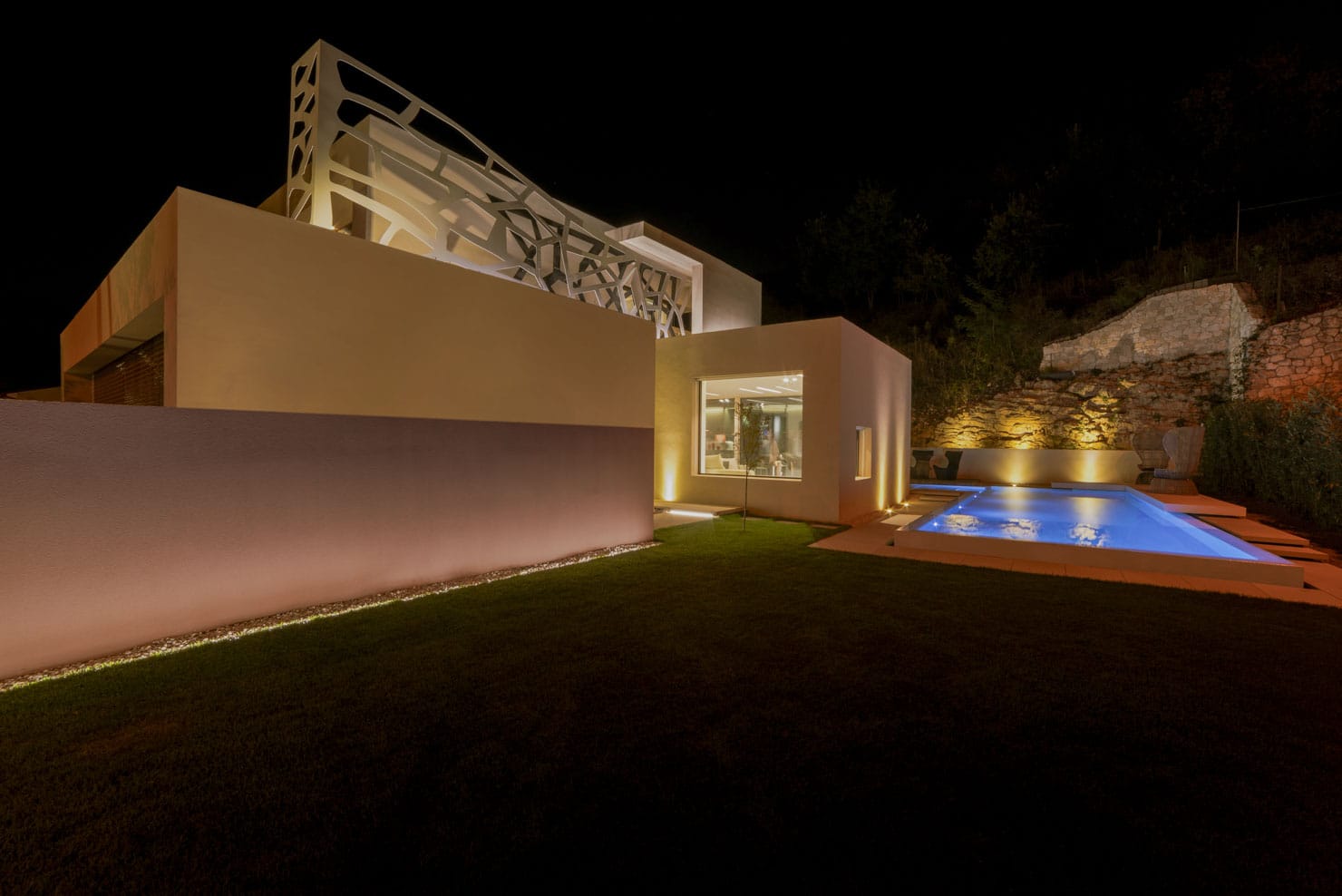
The northern lakes are Italy’s most international villa market: Garda with its accessibility and moraine hills, Como with its legendary west shore, Maggiore with its quiet elegance. Lakeside municipalities apply serious landscape rules — distances from the shore, materials, heights.
An architect who knows these constraints turns them into opportunities: villas that follow the slope, terraces that frame the water, infinity pools in dialogue with the horizon.
Tuscany and the Art Country
Tuscany — Versilia’s beach elegance, the Chianti hills, the great landscapes of Val d’Orcia — is the classic dream, with some of Italy’s strictest landscape protection. The work here is often the contemporary transformation of historic estates, alongside carefully sited new builds.
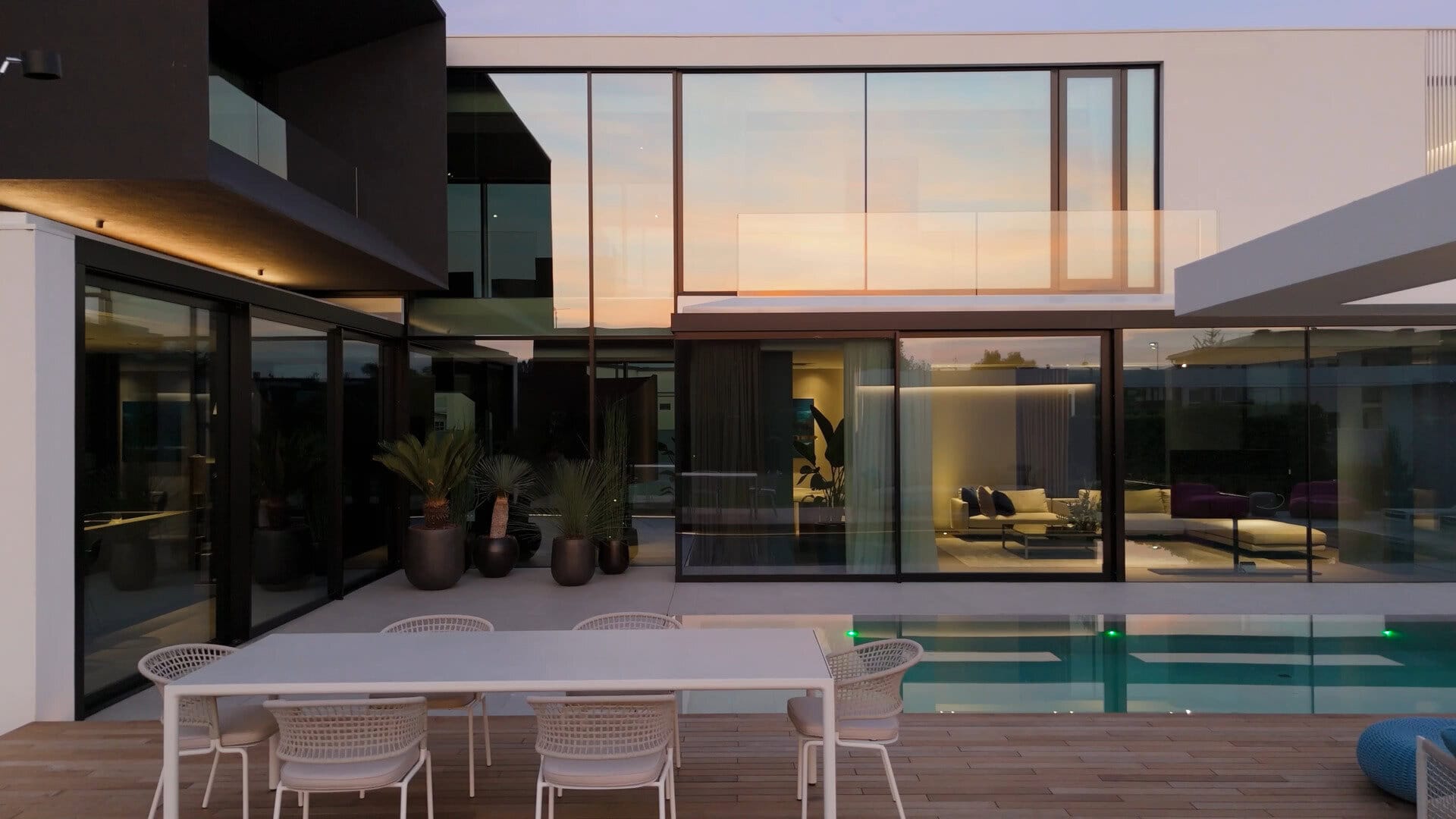
The most successful projects marry the landscape with a rigorous contemporary language: stone and glass, courtyards, pools drawn as quiet mirrors in the land.
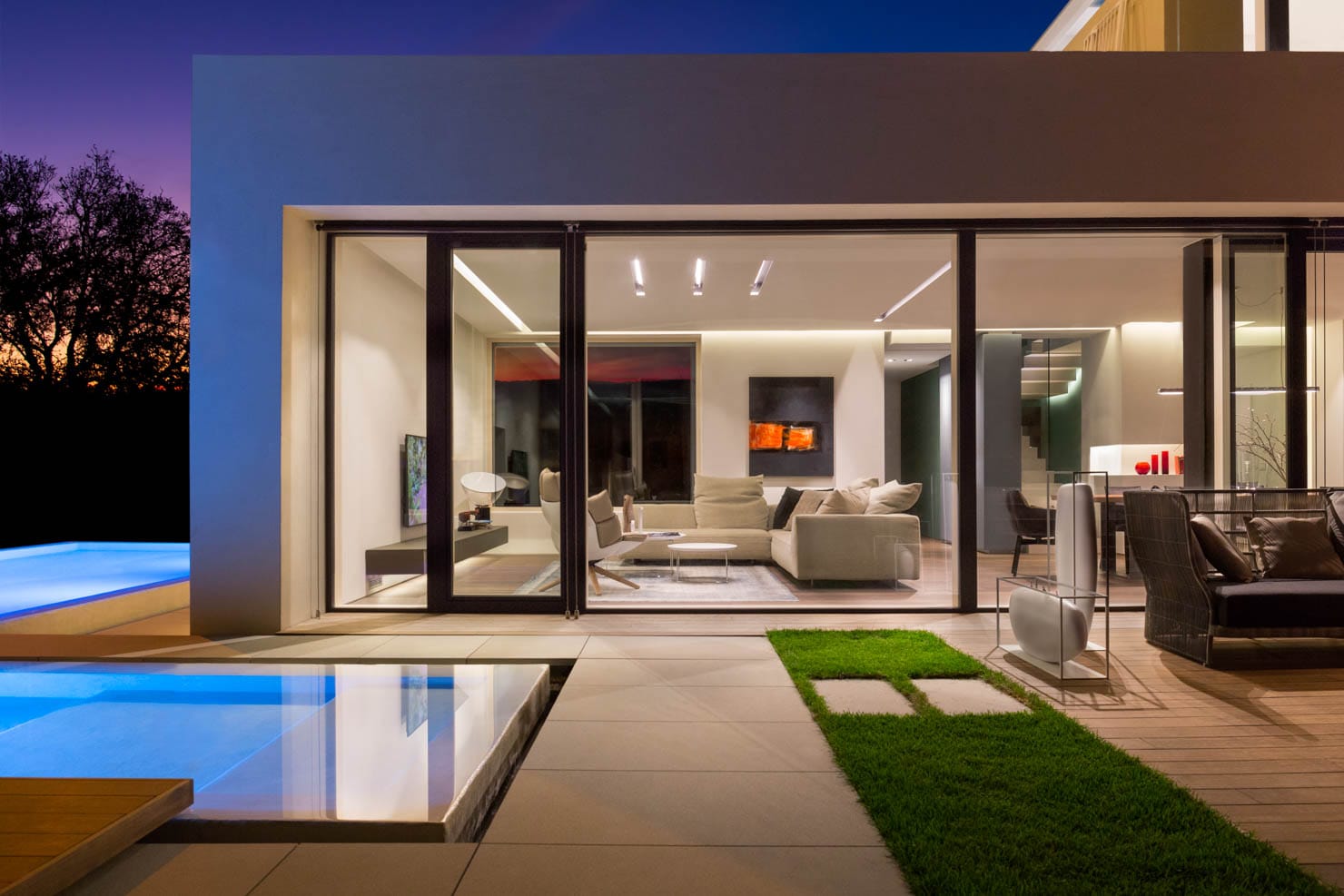
Building a Villa in Italy — Contemporary Villa
The Coasts and the Veneto — Riviera, Venice, the Hills
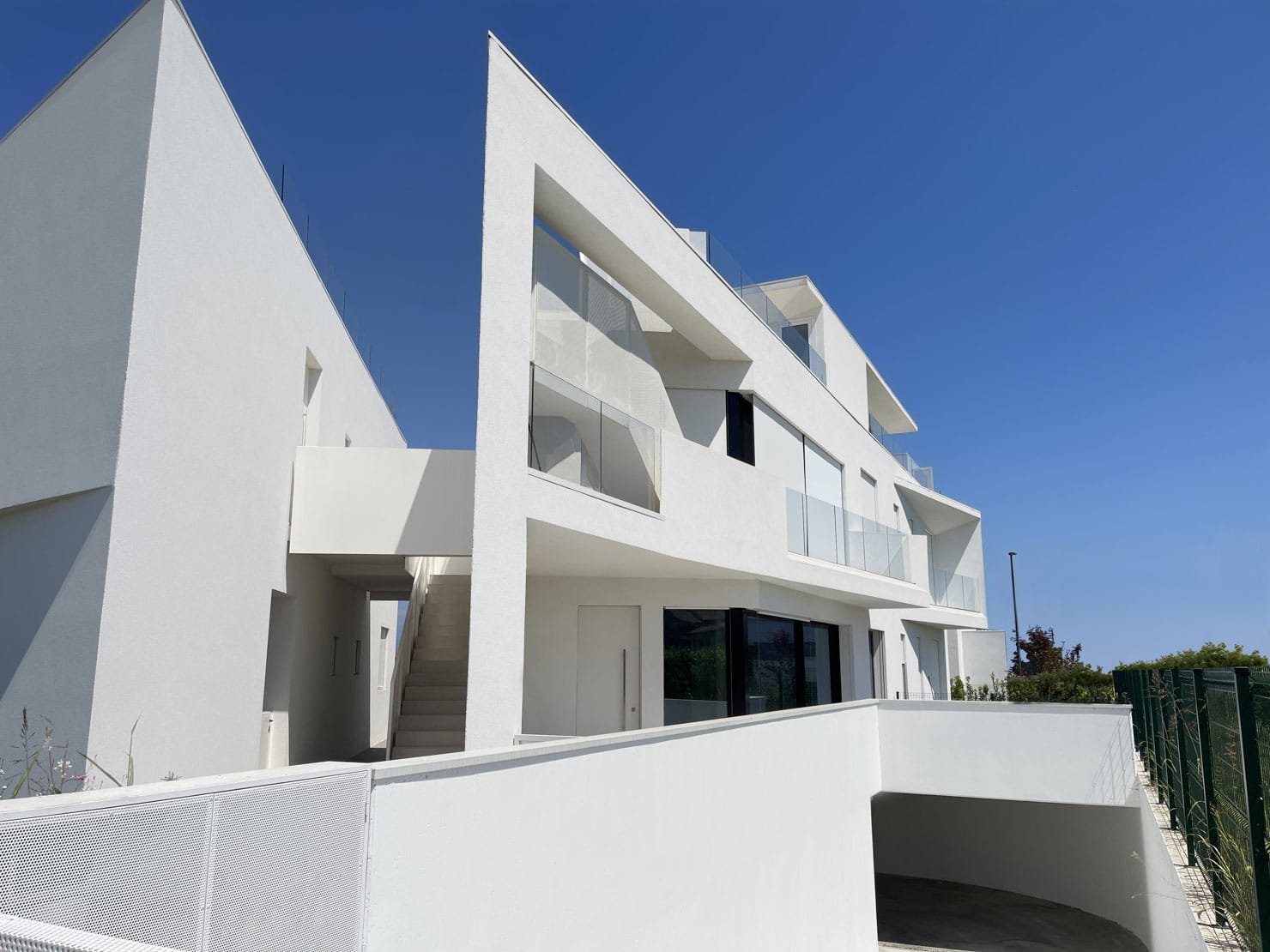
Beyond the lakes and Tuscany: the Ligurian riviera with Portofino, the Venice lagoon and its hinterland hills, Sardinia’s Costa Smeralda. Each coast has its own logistics and rules — and its own reward.
Everywhere, the same principle holds: land is scarce, constraints are real, and the quality of the design is what determines both the experience and the final value.
How to Choose an Architect in Italy: 6 Essential Criteria
1. Specialisation in high-end residential
There is a concrete difference between a generalist practice and one specialised in luxury residential design. The specialist knows the materials, the proportions, the construction details and the wellness technologies that define a true high-end villa — and knows how to keep them coherent from concept to delivery.
2. A portfolio of completed buildings
Renders are easy. What counts is the portfolio of completed, photographed, inhabited buildings. Ask to see finished villas: the quality of execution — corners, junctions, light — tells you more than any presentation.
3. Design method and process control
What determines the quality of a villa is not the geographical proximity of the studio, but the method with which the project is developed. A practice working with digital design and BIM modelling, and with dry construction systems — timber and steel — controls every detail before the site even opens. Distance becomes irrelevant: what matters is the precision of the drawings, the quality of the details and a structured site supervision.
4. Continuity from design to site supervision
The best studios follow each project from the first sketch to the handover of the keys: design, permits, material selection, site supervision — all with the same professional. Whoever designed every detail is the only one who can guarantee it is built correctly.
5. Verifiable references
A serious practice has no problem giving you the contacts of previous clients. A conversation with someone who has already built with that architect is worth more than any brochure.
6. Alignment of vision at the first meeting
The first meeting is the most important test. A good architect devotes it to listening: how you live, what you expect from the house, what your rhythms are. If they only talk about themselves — or propose solutions before understanding you — that tells you something too.
The Design Process: What to Expect, Phase by Phase
Introductory meeting — free and without obligation
The first meeting costs nothing and creates no obligation. The studio understands the project, you understand the method. In person or by video call, in English or Italian.
Architectural concept
From the conversation comes the concept: a system of volumes, a relationship with the landscape, a distribution of light. It is the moment when your way of living takes architectural form.
Detailed and executive design
The most technical and longest phase. The detailed design resolves every regulatory aspect; the executive drawings define each construction detail, material and system — so the site holds no surprises.
Municipal permits
The building permit (permesso di costruire) is prepared and submitted by the architect to the municipal technical office. Times vary from municipality to municipality: 60 to 180 days for standard projects, longer in protected areas. Italian law requires projects to be signed by a registered professional — and a studio with a consolidated method knows how to prepare documentation that keeps iterations to a minimum. The whole dialogue is handled digitally.
Site supervision
Site supervision is where the project materialises. The architect visits the site regularly, checks that execution matches the drawings, resolves unforeseen issues and validates each phase before the next begins.
Wellness Spaces: A Specific Expertise
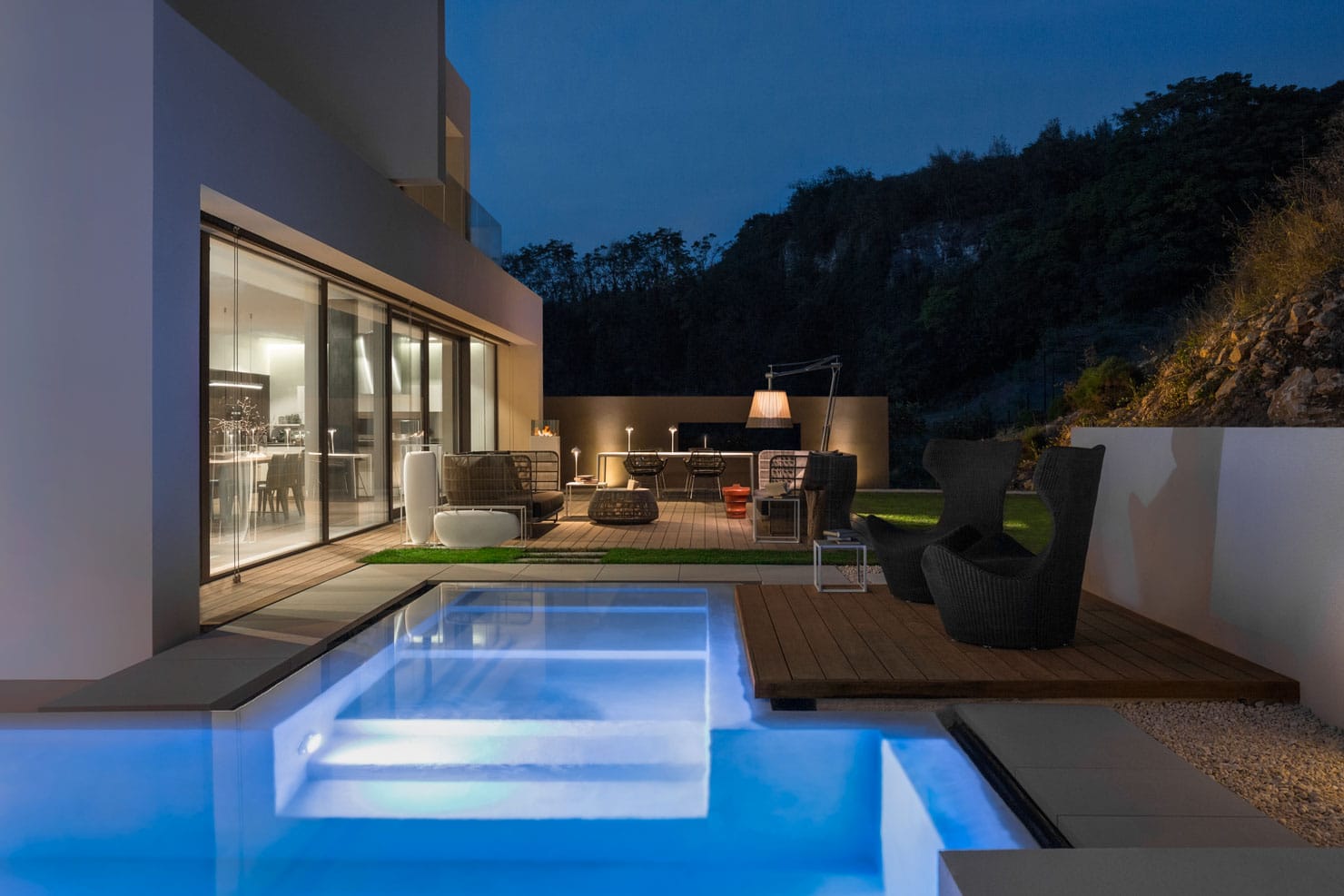
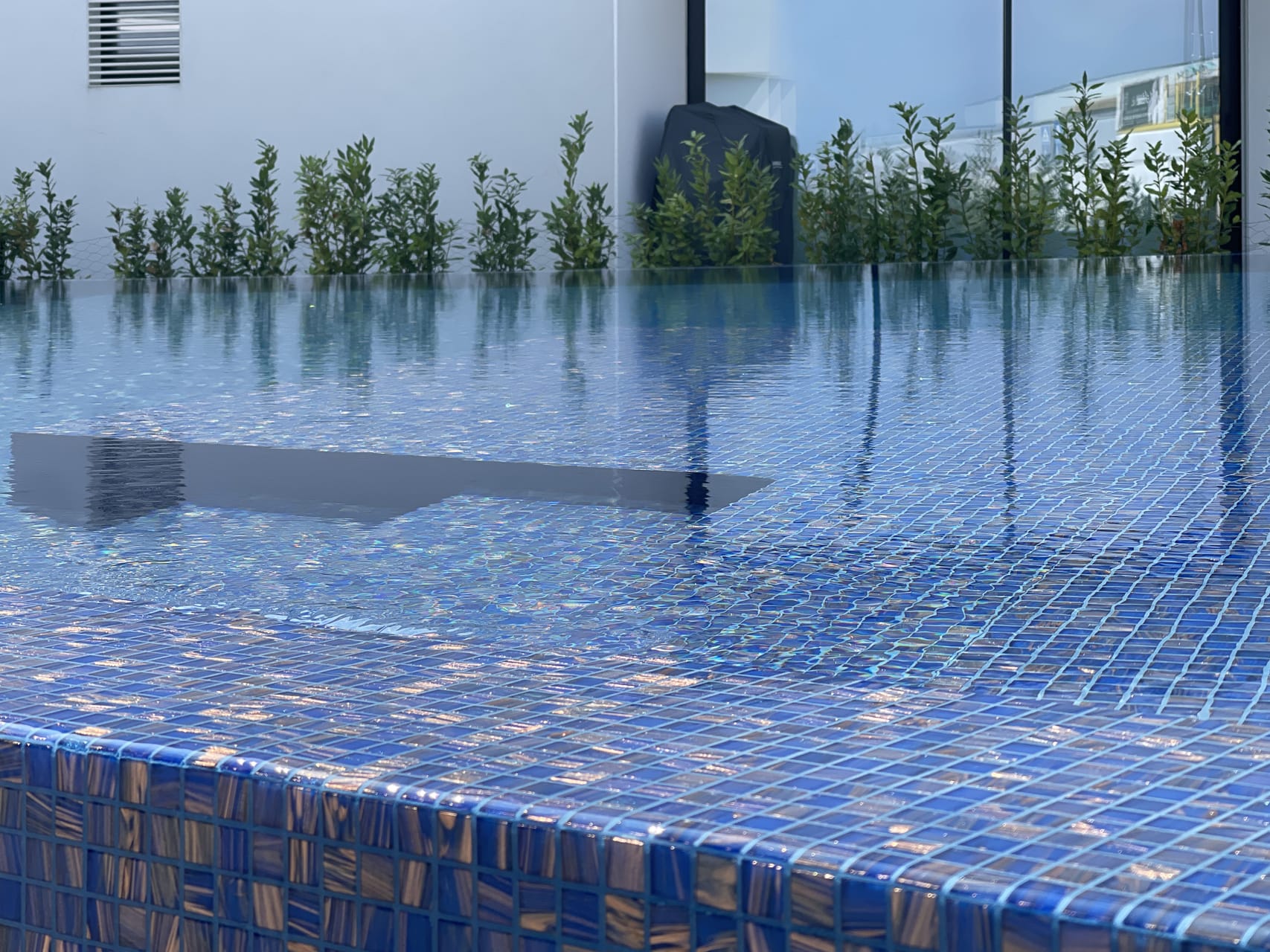
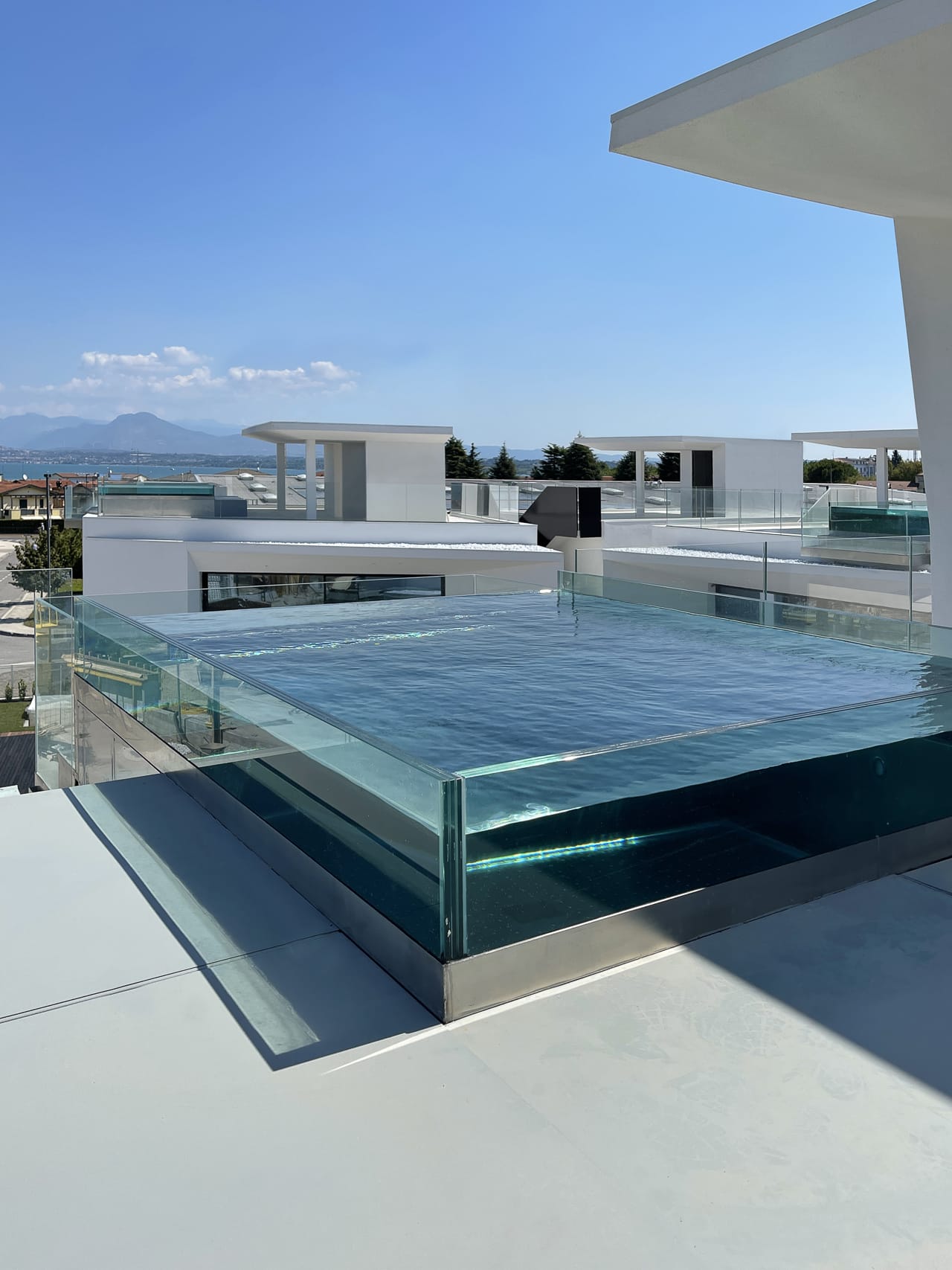
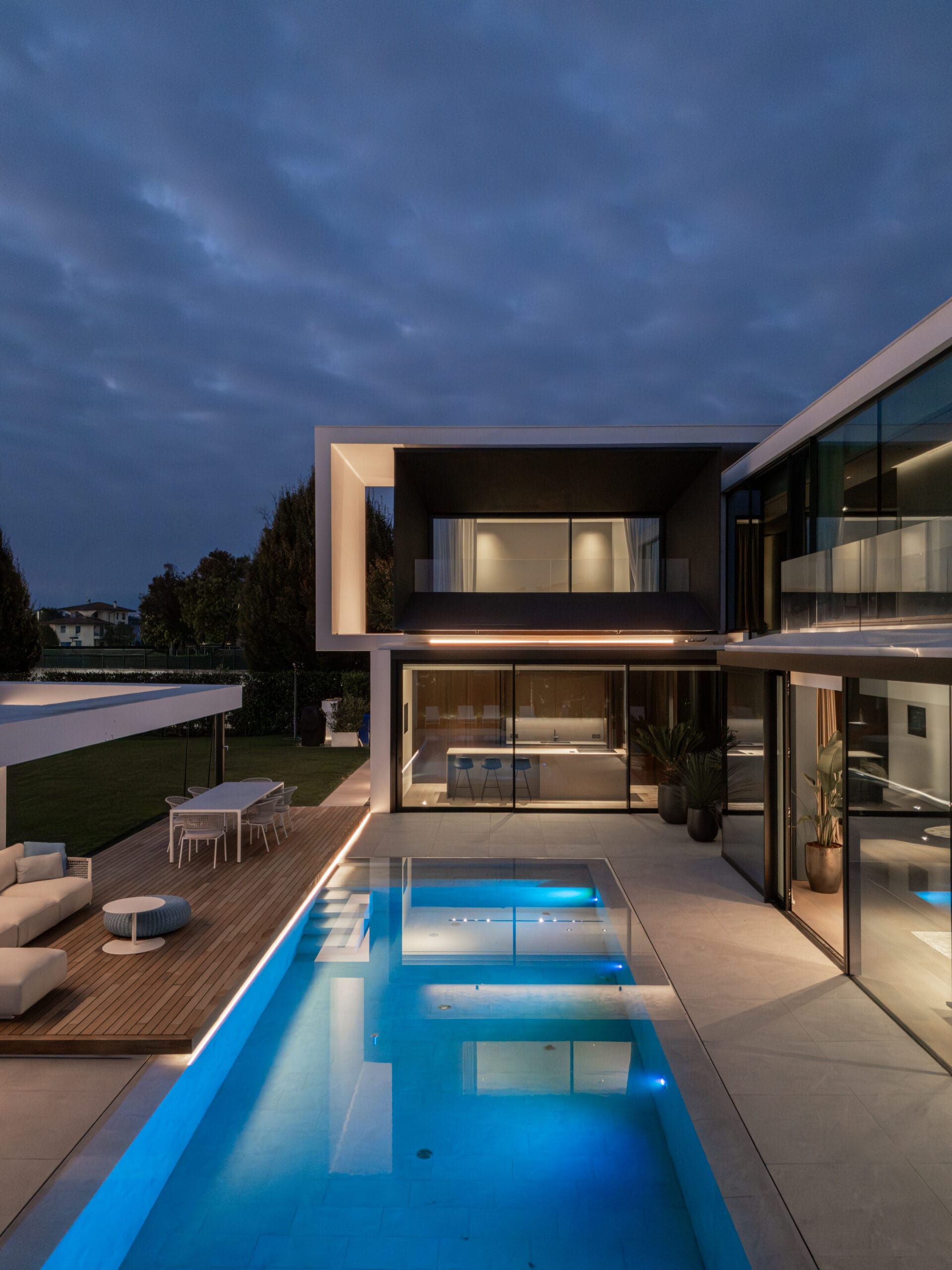
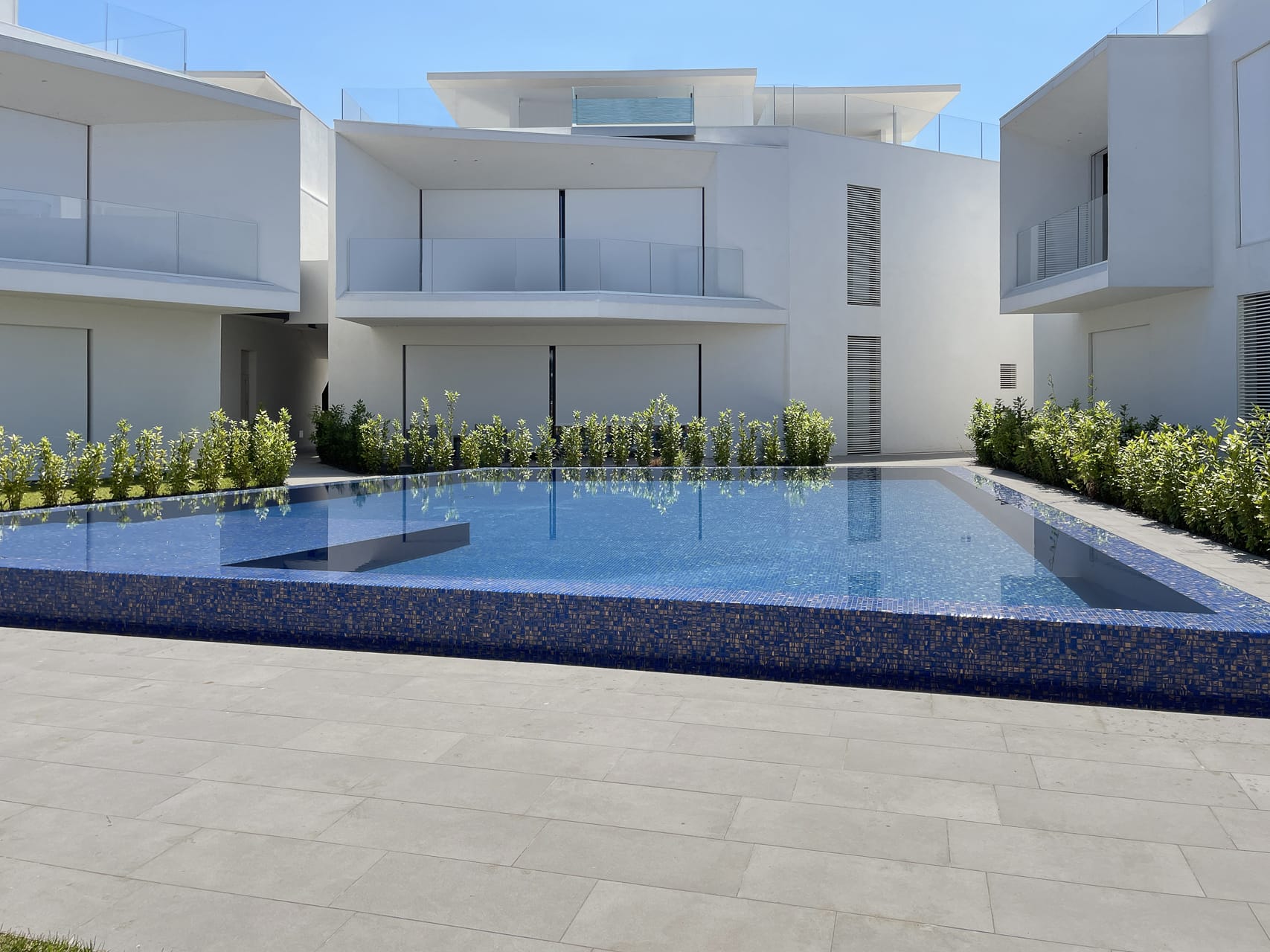
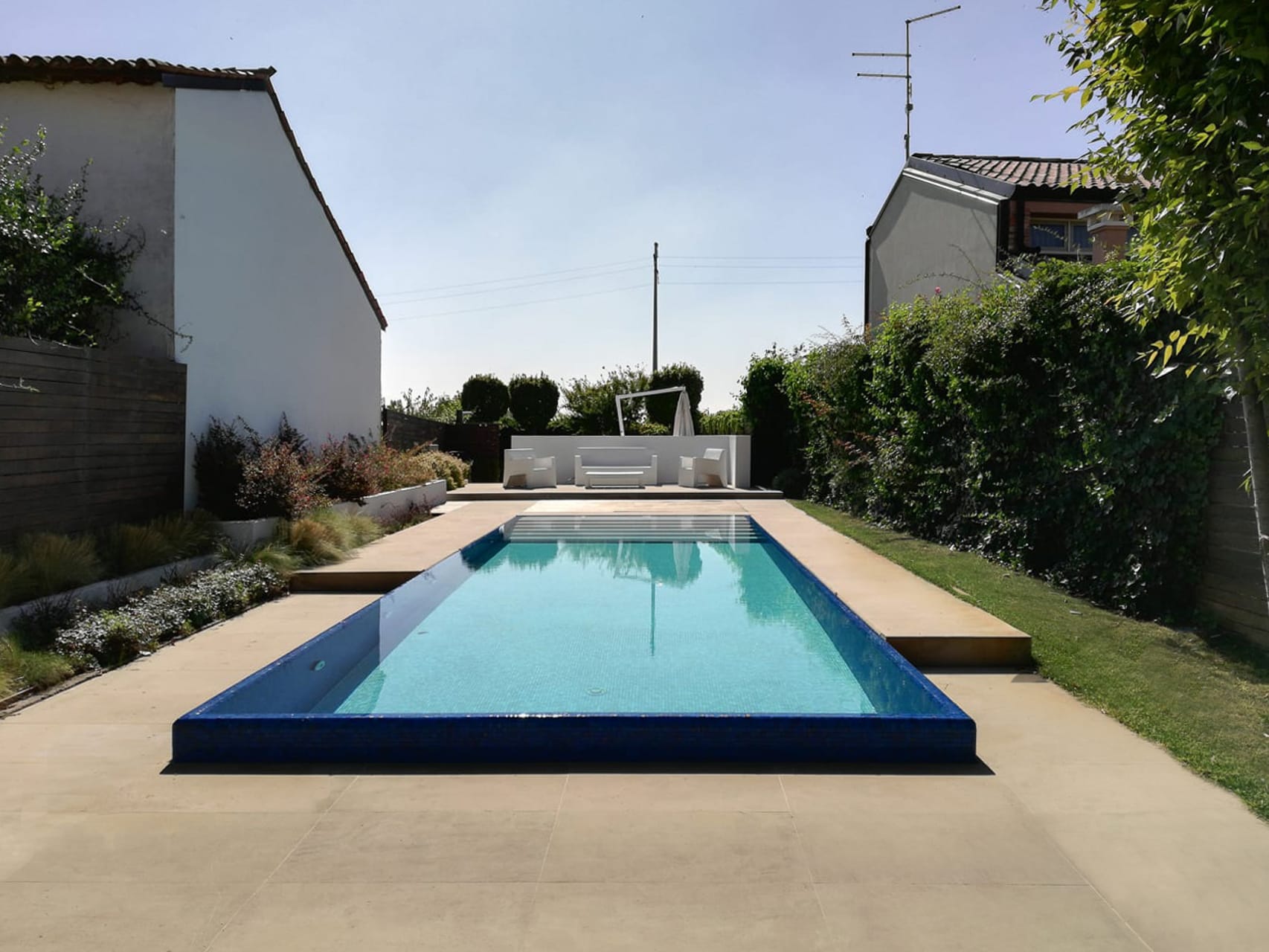
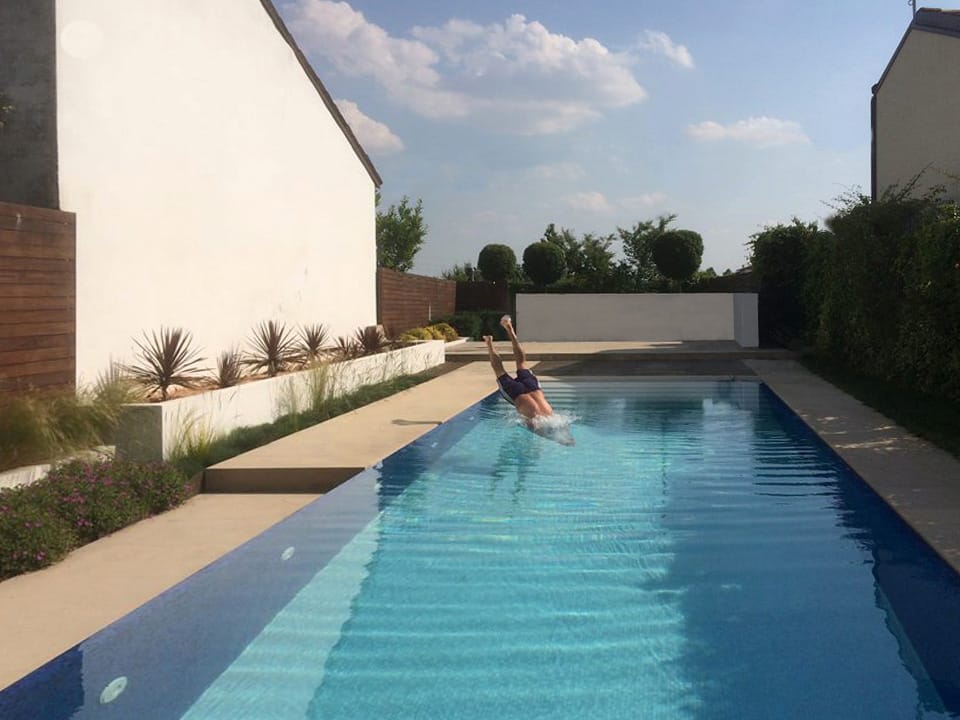
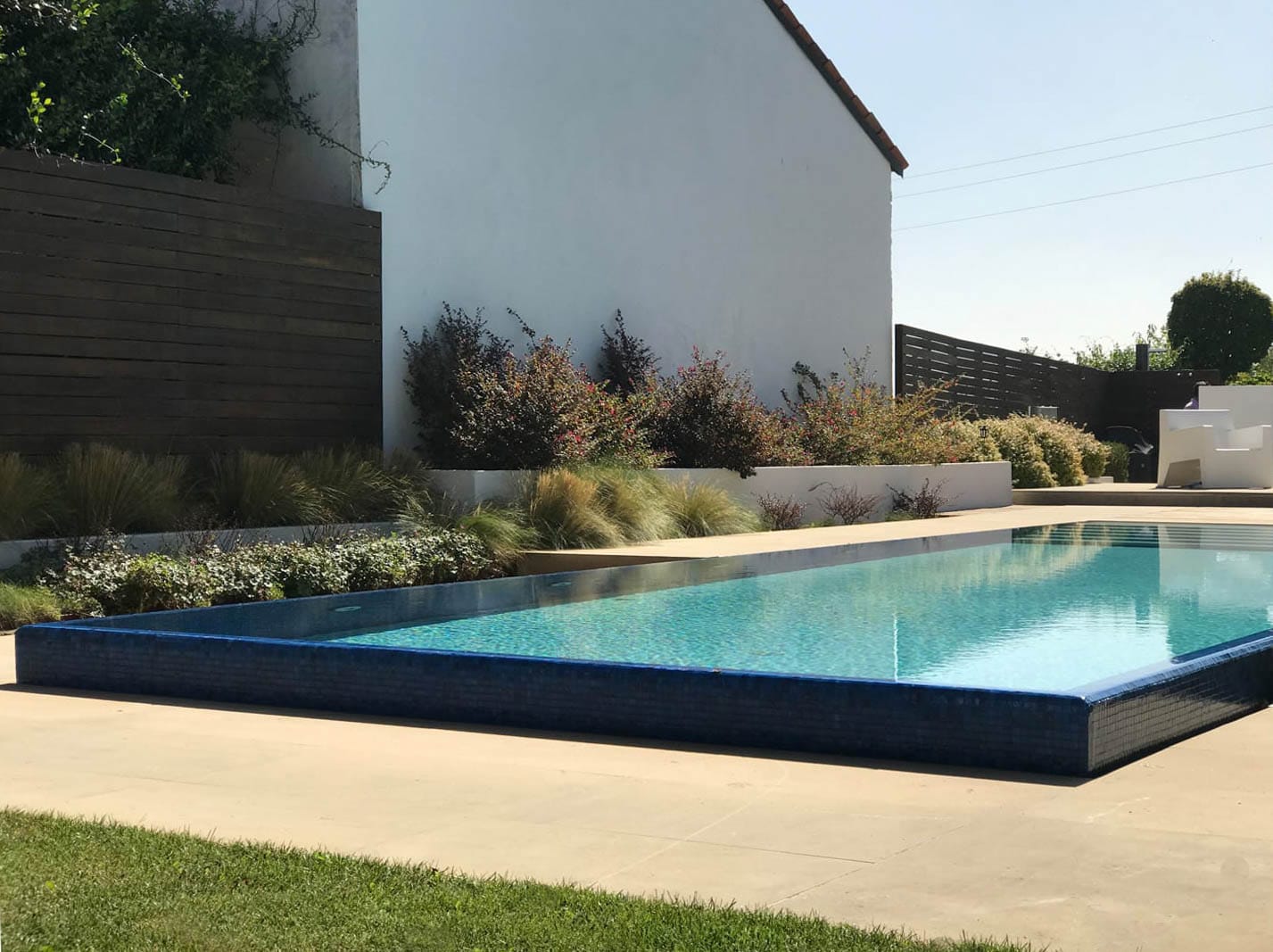
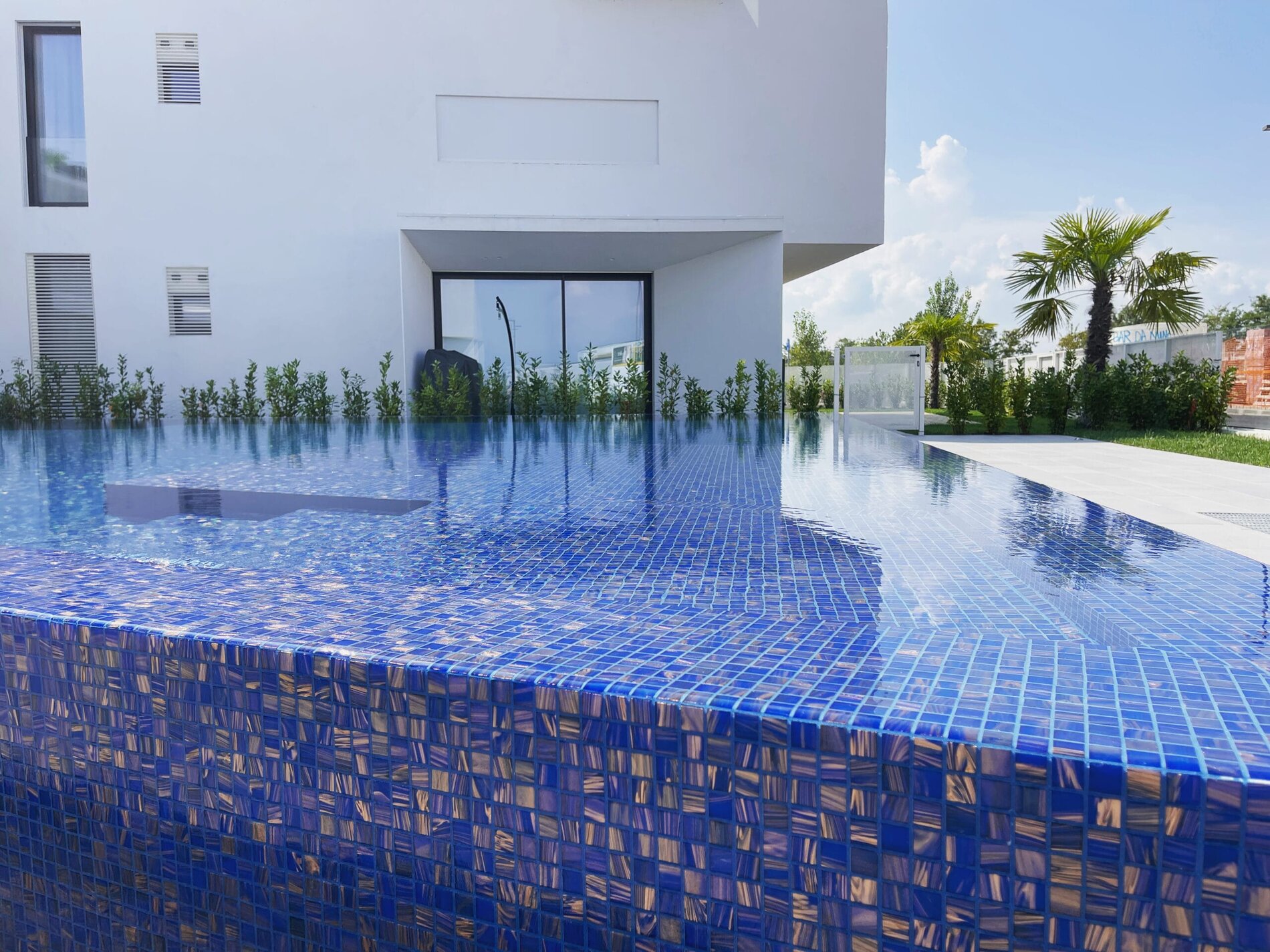
One of the most requested features in luxury lakeside living is the integration of wellness spaces: infinity pools, private spas, saunas, fitness rooms. Designing them well means integrating them into the architecture from the concept stage — not adding them later. Water, humidity, ventilation and glazed surfaces demand specific technical expertise.
Real Costs: Transparent Numbers
The architect’s fee
For a specialised architect handling a full engagement — design and site supervision — the fee is generally a percentage of the construction value. For high-end villas in Italy it typically ranges between 8% and 12%, depending on complexity and level of service. Beware of offers far below market: design quality is where the final value of the property is decided.
Construction costs in Italy in 2026
Costs vary with the level of finish and the area.
Quality villa: €1,600 – 2,200/m²
High-end villa: €2,200 – 3,500/m²
Luxury villa with premium finishes: €3,500 – 5,000/m²
Luxury villa with spa and pool: €5,000 – 7,000+/m²
An architect with a lower fee is not necessarily more economical. An incomplete executive design generates variations on site that cost far more than the initial saving. The real saving lies in the quality of the design.
Mistakes to Avoid When Choosing Your Architect
Choosing by website alone. A polished website is no guarantee of built quality.
Choosing by price alone. The cheapest fee often becomes the most expensive project.
Splitting design and site supervision. Whoever designed the villa is the only one who can guarantee its execution.
Skipping references. Ten minutes with a previous client is the best due diligence available.
Federico Cappellina Architects: 17+ Years in High-End Residential Design
Federico Cappellina is an Italian architecture studio specialised in high-end private residential design, based in Verona and active across Italy — from the lakes to Tuscany and the coasts. More than 23 completed projects: contemporary villas with infinity pools, wellness spaces and a rigorous minimalist language.
Every project starts from listening. The goal is not to impose a style — it is to translate the client’s way of living into precise, coherent architecture built to last.
The studio follows each project integrally: architectural concept, executive design, municipal permits, site supervision, material selection and interior design. One interlocutor for the whole process — in English or Italian.
Conclusion: The First Step
Choosing the right architect for Italy is the decision that determines the quality of everything that comes after. No rush. No decisions based on price alone. No compromise on specialisation and design method.
The first step is simple: a direct conversation, free and without obligation. Present the project, listen to the professional’s vision, evaluate the alignment of approach.
Let’s design your villa in Italy.
Tell me about your project.
How do I choose an architect for a luxury villa in Italy?
The key criteria are specialisation in high-end residential design, a portfolio of completed buildings, a solid design method (BIM, executive detail, site supervision), verifiable references and alignment of vision at the first meeting.
How much does an architect cost for a villa in Italy?
For a full engagement including design and site supervision, the fee for a high-end villa typically ranges between 8% and 12% of the construction value, depending on complexity and level of service.
Which areas of Italy are best for building a luxury villa?
The northern lakes — Garda, Como, Maggiore — are the most international market; Tuscany offers the classic estate country under strict landscape protection; the rivieras and the Veneto complete the picture. Each region has its own rules and dynamics, analysed at the design stage.
How long does it take to build a villa in Italy?
For a new build, from engagement to delivery, expect 24 to 36 months on average: design and permits take 8–14 months, construction 14–22 depending on complexity.
Do I need an architect to build a villa in Italy?
Yes — Italian law requires building projects to be signed by a registered professional. For a foreign buyer this is an advantage: one accountable professional carries the design, the permits and the site supervision.
Can the architect also design private spas and pools?
Yes, and it is a specialisation not every studio has developed. Infinity pools, private spas and wellness areas require specific technical expertise in waterproofing, ventilation and glazed surfaces — and must be integrated into the architecture from the concept stage.
How does the relationship with the architect work during construction?
During site supervision the architect visits the site regularly, verifies that execution matches the executive drawings, resolves unforeseen issues and validates each phase. You receive clear updates without having to manage the site yourself — also remotely, in English.
01 — Introductory meeting
The first meeting, in the studio or by video call, is free and without obligation. We understand the project, you understand the method.
02 — Concept & proposal
I translate your needs into architecture. Before drawing the first line I understand how you live, what you expect, what the place demands.
03 — Design, site, delivery
I follow every phase: executive drawings, municipal permits, material selection, site supervision — until the keys are handed over.